
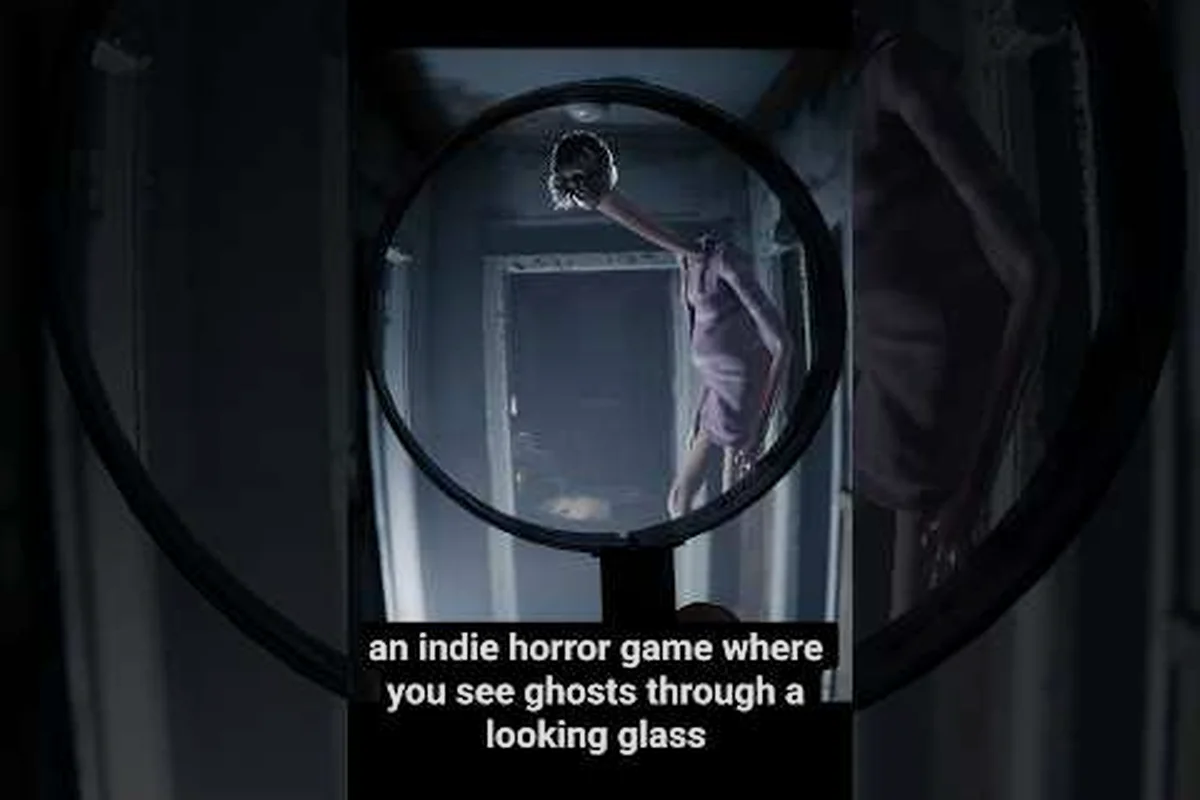
Walking into a Rehaunted investigation without a solid Rehaunted clue checklist is the fastest way to leave the house with half a case file. Cauchemar's first-person detective horror throws a flood of fingerprints, scribbled notes, audio logs, and UV-only smears at detective Connor Raines, and the official toolset is deliberately limited to a UV flashlight, magnifier, camera, walkie-talkie, and evidence board. According to the Rehaunted screenshot gallery on Steam, the tools are the spine of the loop, which means every clue type has a specific reason for existing. This guide breaks down what each evidence class actually does, which Rehaunted collectibles feed your deductions, and how to build a Rehaunted full evidence guide workflow that does not waste a single in-game minute.
Rehaunted Evidence Categories and What They Unlock
Rehaunted splits its clue pool into four practical buckets, and every detective in the community treats them as separate layers of the same file. Layer one is physical traces that respond to the UV flashlight. Layer two is fingerprints that the magnifier isolates on touched surfaces. Layer three is document and audio evidence that you photograph or pick up directly. Layer four is the contextual collectibles — diaries, newspaper clippings, and personal effects that explain motive rather than prove a fact. Knowing which layer closes which conflict is the single biggest shortcut in a Rehaunted full evidence guide.
The trick, according to community testing, is that not every clue is mandatory. Some items only fill out the evidence board's flavor panels, while others are the hinges your deduction wheel will not turn without. A practical Rehaunted clue checklist separates "nice to have" from "case-breaking," and the table below maps the four layers to the tools that surface them.
| Evidence Layer | Example Clue Type | Tool Required | Role in the Case |
|---|---|---|---|
| UV-only traces | Blood smears, chemical residue, hidden writing | UV flashlight | Confirms timeline and movement |
| Fingerprints | Palm prints on doors, glass, weapons | Magnifier | Links suspect to room or object |
| Documents and audio | Notes, recordings, photographs | Camera / pickup | Establishes motive and relationships |
| Personal collectibles | Diaries, clippings, keepsakes | Direct interaction | Adds atmosphere, optional lore |
The layers are not interchangeable. A Rehaunted UV evidence scan can confirm that a suspect touched a door handle after the victim, but only the magnifier's fingerprint capture proves whose hand was on the glass. Trying to photograph a UV smear with the regular camera wastes a charge and gives you nothing, which is the single most common beginner mistake reported on the Rehaunted Steam community hub.
How the Evidence Board Reads Each Layer
The evidence board is the central hub where you connect pins, draw strings, and trigger deductions. Each clue you register sits on a colored node, and only matching categories can be linked. A UV trace and a document can sit next to each other but they will not merge until you find the fingerprint that bridges them. Treat the board as a logic puzzle, not a scrapbook — the strings you draw are the case, and the Rehaunted full evidence guide workflow is really about which two clues you connect first.
Fingerprints: When the Magnifier Carries the Case
Fingerprints are the highest-priority evidence type in any Rehaunted fingerprints run because they are the only clue that directly ties a named person to a specific surface. The magnifier tool isolates latent prints on glass, smooth wood, metal handles, and weapon grips, and it triggers a capture animation that takes about two seconds of steady aim. Community reports note that the magnifier will highlight a print only when you are within roughly one meter and the surface is properly lit, so standing in a dark hallway with the overhead bulb blown usually returns nothing.
The most efficient fingerprint loop in a Rehaunted clue checklist is to sweep every doorway and drawer you pass through, even if the room looks empty. Many palm prints are placed on surfaces that have no other clue nearby, and the game rewards broad sweeps over targeted searching. A targeted searcher will miss the print on the back of a bedroom door that ties a suspect to the victim's private space, while a sweep will catch it on the way out.
Fingerprint Priority Surfaces
Some surfaces carry prints more often than others, and experienced detectives prioritize them in this order.
-
Weapon grips — knives, candlesticks, fireplace pokers
-
Door handles — especially bedroom and cellar doors
-
Window glass — particularly any window that was opened during the night
-
Drawer pulls — inside desks, wardrobes, and kitchen cabinets
-
Photograph frames — flipped to face the wall in some rooms
A fingerprint alone rarely closes a case, but it is the bridge clue that lets you draw a string between a suspect pin and a room pin. Without at least one strong print per suspect, your evidence board will sit in limbo even if every other layer is full. For a deeper breakdown of how prints interact with personal effects, the Rehaunted personal belongings guide covers the items you should keep paired with each print you find.
UV Evidence: Reading the House After Dark
Rehaunted UV evidence is the layer most players underestimate, because the UV flashlight's battery is finite and the temptation to save it for "important" moments is strong. The reality, confirmed by community testing, is that UV traces are the only way to read certain scene conflicts, and several of them are located in main-path rooms you walk through on the way to a primary clue. Turning the UV light on for ten seconds while you cross a room is almost always cheaper than backtracking later.
The UV flashlight reveals three distinct clue families. First, biological traces — blood smears, handprints on walls, and footprints across floorboards. Second, chemical traces — cleaning residue, spilled liquids, and ink that was wiped away. Third, hidden writing — notes scrawled in invisible ink on walls, mirrors, and the backs of paintings. Each family has a different color signature under the UV beam, and learning those colors is the single fastest way to speed up a Rehaunted clue checklist run.
| UV Color Signature | Trace Type | Typical Location | Case Role |
|---|---|---|---|
| Blue-white glow | Blood smear | Hallways, bedroom corners | Confirms victim's final path |
| Green sheen | Chemical / cleaner residue | Kitchen, bathroom | Reveals staged scenes |
| Violet flicker | Hidden writing | Mirrors, picture backs, wallpaper seams | Adds motive or witness info |
The Rehaunted UV evidence layer is also the main trigger for the jump-scare corridor moments the genre is known for, which is why the community recommends toggling the UV light in short bursts rather than holding it on while you walk. Two-second pulses let you read a smear without painting yourself as a target for whatever is patrolling the dark. If you want a full walkthrough of how UV interacts with the rest of the loop, the Rehaunted how to investigate guide covers the keyboard and controller bindings that make the pulse technique smoother.
UV Battery Management
The UV flashlight runs on a rechargeable cell that drains faster when you are moving and looking around at the same time. Standing still with the beam fixed on a single surface costs about a third of the charge of sweeping the beam across a wall. Treat the UV cell like a health bar and plan your route so that the longest sweeps happen in rooms you have already decided to fully search, not in transitional hallways.
Notes, Audio, and Documents: The Motive Layer
Notes, audio logs, and photographs are the motive layer of any Rehaunted full evidence guide, and they are also the layer most likely to overflow your inventory if you pick up everything you see. The evidence board has a finite number of pin slots, and stacking fifteen near-identical diary pages will not help your deductions any faster than five well-chosen pages will. The community-recommended rule is to register a note on the board only if it names a person, place, or timestamp, and to leave flavor-only notes in the storage drawer for later reading.
Photographs deserve special mention because they interact with the camera tool. A photograph is a clue, but a photograph of a clue is a stronger clue. If you find a torn Polaroid of a hallway, the original print is the evidence; photographing the Polaroid lets you draw a string between the photo pin and the room pin it depicts, which is often the only way to confirm that a suspect was present in a specific wing of the house. Audio logs work the same way through the walkie-talkie — listening to a log registers the recording, and re-playing it while standing in the matching room draws a confirmation string that the board reads as a contradiction or a match.
The Five Documents That Matter Most
In a typical Rehaunted run, the following document types are the ones that almost always feed a deduction.
-
The victim's journal — usually found on a bedside table, names relationships
-
A suspect's handwritten note — confirms intent or alibi
-
A police report or news clipping — sets the external timeline
-
A letter or postcard — establishes who visited the house recently
-
A receipt or ticket stub — pins a suspect to a location at a specific time
Anything outside these five categories is usually atmospheric, and the community reports that skipping them on a first run costs nothing. The Rehaunted clue checklist that experienced players recommend is brutally selective: grab the five types above, leave everything else on the floor, and spend the saved time on fingerprints and UV.
Collectibles, Missables, and What Actually Counts
Rehaunted collectibles are the items that pad the evidence board's flavor panels, but a small subset of them is actually required for specific endings or achievement unlocks. The line between "atmospheric" and "mandatory" is blurry in the community, because some collectibles only matter if you are chasing a specific outcome. The safest baseline is to pick up every personal belonging you cross, photograph every document you read, and register every fingerprint you can capture, then prune the board before the final confrontation.
A common rookie mistake is treating the evidence board as a checklist of every item in the house. The board is a logic tool, not a trophy case, and stuffing it with flavor items hides the strings you actually need to draw. A practical Rehaunted full evidence guide workflow prunes aggressively: register a clue, try to draw a string, and if no string is possible, store the clue in the drawer until the rest of the room's evidence is in. If you are chasing a specific ending, the Rehaunted completionist guide is the cleanest reference for which collectibles are tied to which unlock.
Ending-Tied Collectibles
| Collectible Category | Likely Linked To | Risk if Missed |
|---|---|---|
| Victim's personal diary (full set) | True ending route | Locks out one of the final scenes |
| Suspect keepsakes (3+ items) | Confrontation ending | Removes a key accusation option |
| Newspaper archive (full set) | Ambiguous ending | Hides the external-pressure motive |
| Children's drawings | Atmosphere only | No outcome impact |
| Receipts and tickets | Detective ending | Locks the cold-case wrap-up |
A Rehaunted clue checklist that ignores the table above will still let you finish the case, but it will quietly lock you out of one or two branches. Treat the high-priority rows as soft requirements and the low-priority rows as optional flavor, and you will hit the main endings without burning extra hours.
Frequently Asked Questions
What is the single most important evidence type in Rehaunted?
Fingerprints are the highest-value evidence type because they are the only clue that directly links a named suspect to a specific surface or weapon. Every other layer — UV traces, notes, collectibles — provides context, but a clean palm print is what lets you draw a deduction string on the evidence board and force a contradiction or confirmation.
Do I need to use the UV flashlight on every room?
You do not need it on every room, but you should pulse the UV beam for two or three seconds in any room you cross, because several UV clues sit in transitional hallways and main-path rooms. Skipping UV entirely is the fastest way to miss a hidden writing clue that later turns out to be the motive trigger for an entire branch.
Can I replay chapters to find missed collectibles?
Rehaunted does not currently expose a chapter-select replay, so collectibles you skip on a first run are gone for that playthrough. The community-recommended workaround is to load an earlier manual save before you cross a high-density room, which is why the Rehaunted clue checklist for completionists treats every personal belonging as soft-required.
How do I tell which notes are actually useful?
A note is useful if it names a person, a place, or a timestamp. Flavor-only notes that describe a mood or a memory without anchoring to a clue on the board can be left in the storage drawer until after the case is closed, because they will not change any deduction outcome.
Is the magnifier better than the camera for fingerprint work?
The magnifier is the only tool that captures fingerprints, so the comparison is not meaningful. The camera photographs the already-captured print so you can register it on the evidence board, which means the correct workflow is magnifier first, then camera, then board registration.