
Characters
Who is involved in the Rehaunted case, from detective Connor Raines to the victim, the radio detective and the people whose accounts you have to weigh.
Introduction
Rehaunted keeps its cast deliberately small, and that is part of how it generates tension. You play detective Connor Raines, investigating the death of a young woman inside her own home, and for most of the runtime your only conversation is with a second detective on the other end of a walkie-talkie. Everyone else reaches you through evidence: belongings, recordings, notes and the traces they left behind. Because the game withholds a clean account, these pages separate what is stated outright from what is inferred, and avoid inventing names the developer has not published. The cast is small enough that a single object can carry a whole relationship, which is why the entries here describe roles and evidence rather than delivering verdicts.
Who Is Involved
| Role | How you learn about them | Why they matter |
|---|---|---|
| Connor Raines | You are him; his read of the case is the one you act on | The investigation's only fixed point, and an increasingly unreliable one |
| The victim | Belongings, recordings and documents left in the house | Her routine and relationships supply most of the case's real information |
| The radio detective | Walkie-talkie dialogue and the choices you make in it | Frames the case and challenges the assumptions you have already made |
| Persons of interest | Prints, traces and statements that have to be checked against each other | Their accounts are the things the physical evidence confirms or breaks |
Character Overview
Connor Raines
The detective you play, and the case's least certain narrator.
The victim
The person the case is about, known mostly through what she left behind.
The radio detective
A voice on the walkie-talkie who reframes what you think you already know.
Persons of interest
The people whose accounts the physical evidence has to check.
The presence
The game's supernatural thread, kept deliberately unresolved from start to finish.
Core Mechanics
Character information in Rehaunted arrives through three channels, and they do not carry equal weight. The first is dialogue, chiefly the radio exchanges with the second detective, where your choices shape how the case is framed. The second is physical evidence: prints and personal objects tie specific people to specific places, and those ties are checkable in a way that testimony is not. The third is written material, which explains relationships and motives but is frequently contradicted by the first two. Learning to rank these channels is the core of reading the cast, and the game deliberately makes the ranking uncomfortable.
Advantages
A small cast is a real advantage in a short, dense mystery. With only a handful of people to track, every detail you learn about them lands: a single print, one line of radio dialogue or an entry in a note can change your reading of the whole night. The game also resists the usual filler, so there are no quest-givers and no incidental personalities to dilute the case. That economy means the cast is legible without a spreadsheet, and it makes a second run genuinely different, because knowing who is connected to what changes which evidence you prioritise. Because the cast is small, a single object can carry an entire relationship, and the game never needs a codex to remind you who someone is.
Challenges
The trade-off is that the cast is thin by design. Cauchemar has published very little about the characters beyond the protagonist, so anyone looking for a fully documented roster will find that the game itself is the only reliable source. The second difficulty is interpretive: because the case is built on contradiction, two players can finish the same run with different readings of the same person, and neither is corrected. That is intentional, but it means character guides here describe roles and evidence rather than delivering verdicts on who is guilty, because the game does not deliver one either. Where the record is silent, these pages say so rather than filling the gap with invented names.
Frequently Asked Questions
Who is the main character in Rehaunted?+
Who is the second detective on the radio in Rehaunted?+
Does Rehaunted confirm who is guilty?+
Quick Tips
Weigh physical evidence above testimony. A print or a recording ties a person to a place in a way that dialogue cannot, and in Rehaunted it is the spoken and written accounts that most often fail when checked against the traces you have collected. Treat every statement as a claim to test rather than a fact to file.
Do not expect a tidy verdict. The game states plainly that it never tells you the answers directly, so the useful question is not who to accuse but which version of the night your logged evidence can actually support. Reaching a conclusion you can defend is the success condition here.
Take the radio conversations seriously. The second detective's dialogue options accumulate through the run, and the framing they establish is part of what the final reconstruction draws on. A check-in you skip does not simply cost you a scene; it removes a way of reading the case that never comes back.
Featured
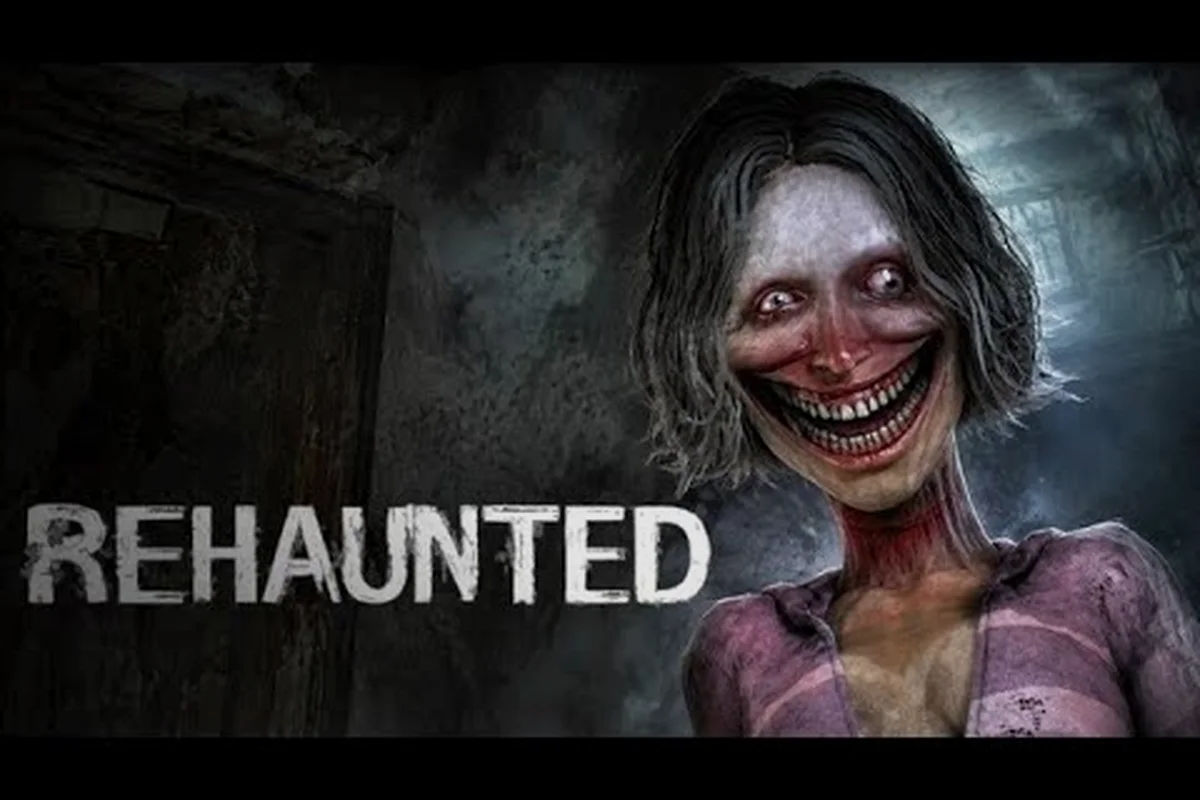
Rehaunted all characters: full cast, roles, and suspect ties
Meet every confirmed name in the Rehaunted all characters roster, from main detectives to hidden figures, with profiles covering each role and connection.
Rehaunted victim: identity, cause of death, and suspect links
Investigate the Rehaunted victim mystery with a full profile of who she was, how she died, and which suspects connect back through house evidence.
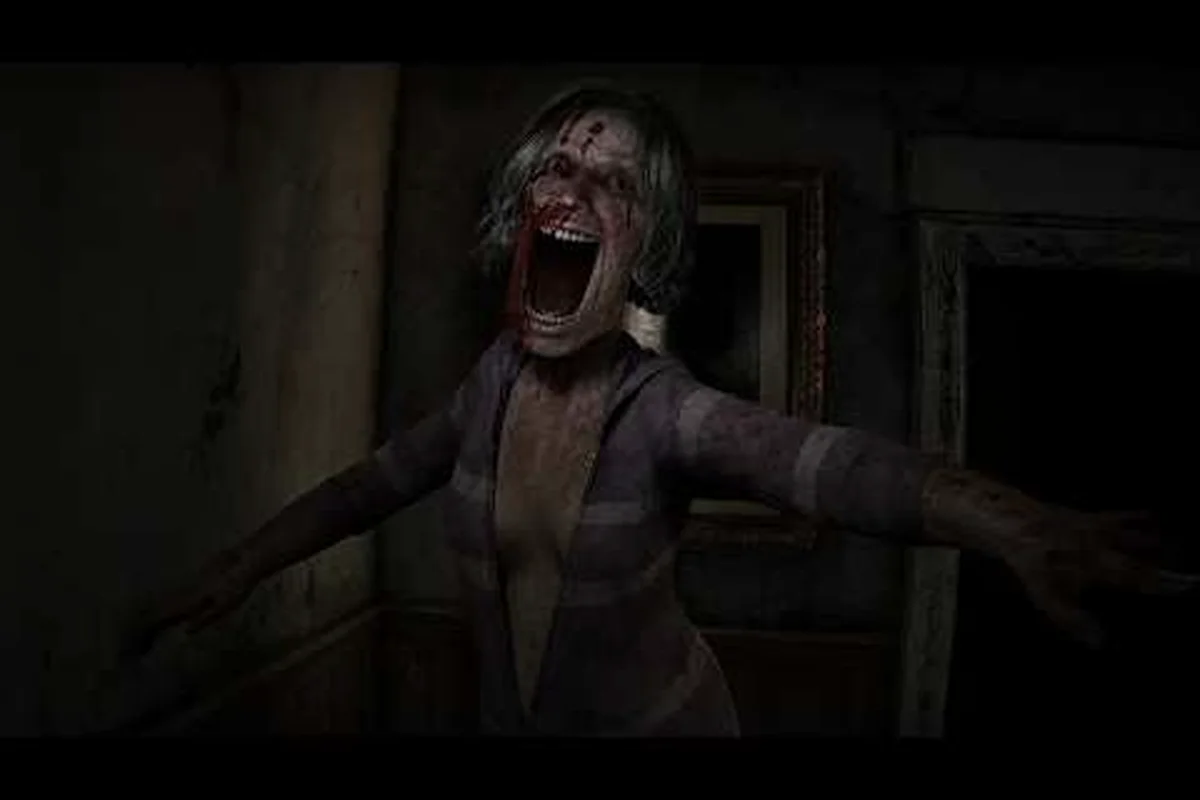
Rehaunted character names: every NPC and secret figure listed
Look up every Rehaunted character names entry from main cast to hidden figures, including unreliable narrator clues and the roles tied to each ending.
All Articles
Rehaunted true culprit: suspects, supernatural leads, and endings
Track down the Rehaunted true culprit across every chapter with suspect motives, supernatural entity theories, and the family backstory that decides each ending.
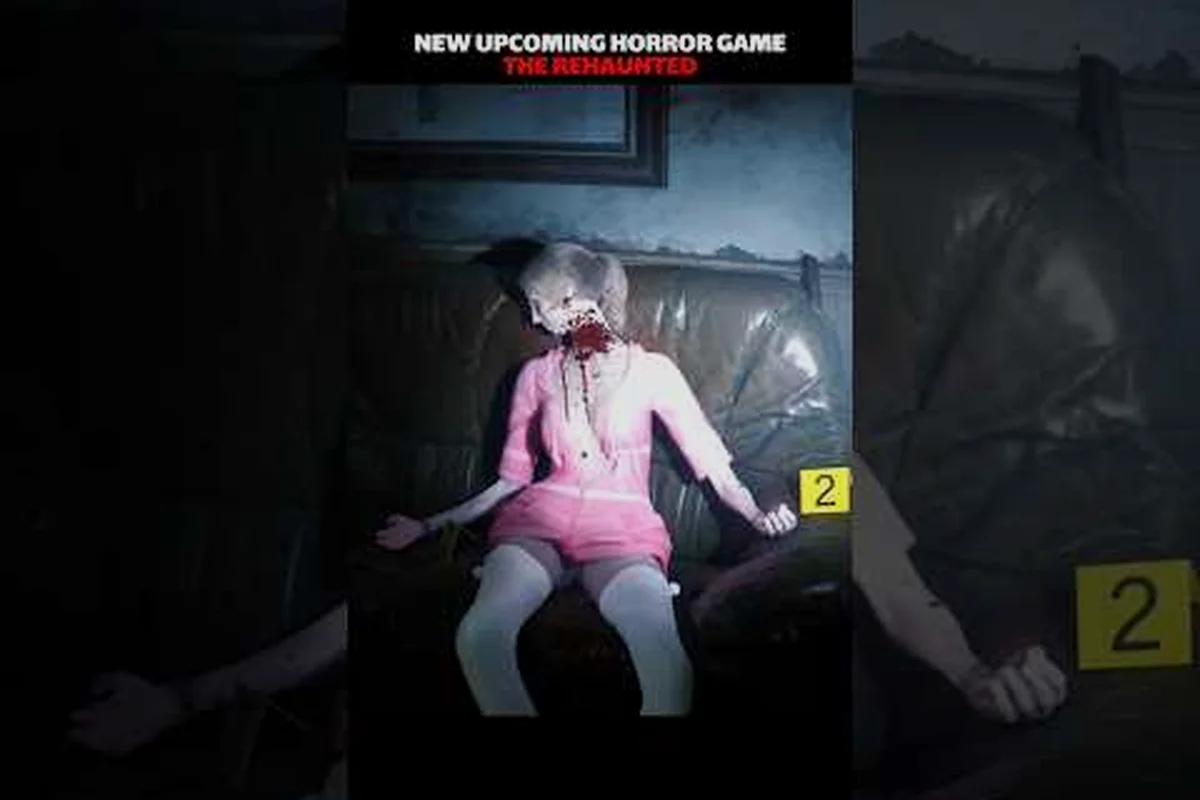
Rehaunted villain: ghost, demon, or human antagonist
Break down the Rehaunted villain possibilities with suspect profiles, supernatural leads, and the evidence that separates a human killer from a ghost or demon.
Rehaunted young woman: identity, clues, and suspect ties
Investigate the Rehaunted young woman mystery with radio detective clues, partner ties, and the evidence pointing to her real role in the case.
Rehaunted who killed the woman: suspect breakdown
Find out Rehaunted who killed the woman with a character guide covering the detective protagonist, the victim, and every suspect that could close the case.