
Endings
How the Rehaunted investigation can conclude, what the radio dialogue choices change and how the final reconstruction locks in your ending.
Introduction
Rehaunted concludes through a final reconstruction in which you commit to one version of the night, and the options available at that moment depend on two things: the evidence you registered and the choices you made in the radio dialogue. There is no single prompt that decides the outcome. This section explains how those two threads accumulate, why an incomplete case file narrows the conclusions rather than merely weakening them, and how to prepare for the route you actually want. Names and exact counts of endings are not published by the developer, so this guide describes structure and requirements instead of inventing labels.
Ending Routes
| Route | Depends on | Fails when |
|---|---|---|
| Choice path | Dialogue options taken during radio check-ins across the whole run | Check-ins are skipped and the framing never develops |
| Evidence path | Which findings you registered on the evidence board | Rooms are left unfinished before the story advances |
| Final reconstruction | The version of the night you commit to at the very end | You commit before the case file is as complete as it can be |
| True ending route | A near-complete evidence set collected before the finale | Any major evidence family was missed earlier in the run |
Ending Overview
Choice Path
How the radio conversations frame the case before you reach the finale.
Evidence Path
What your evidence board can actually support at the final sequence.
Final Reconstruction
The endgame sequence where you commit to a version of the night.
True Ending Route
The most demanding conclusion, and the one most players aim for first.
Alternative Conclusions
The other readings, all reachable on the same short runtime.
Core Mechanics
The ending system runs on two accumulating inputs. The first is your logged evidence: the evidence board is what the finale reads, so a conclusion you have not supported simply will not be offered. The second is the radio dialogue, where choices made across the whole run change how the case is framed rather than resolving at a single decision point. Because both inputs accumulate, the practical advice is front-loaded: sweep rooms completely and answer every check-in long before the reconstruction sequence begins. By the time the finale starts, most of the outcome is already decided, and what remains is which supported reading you choose.
Advantages
The ending design is generous about replay. Rehaunted is a two to three hour game, and the alternatives are reachable on the same short runtime, so a second pass to see a different conclusion is a realistic evening rather than a second campaign. Because the routes depend on evidence and dialogue rather than on a difficulty setting, a second run is also genuinely different: you know which rooms carry the findings that support the conclusion you did not take, and you can target them directly. Players who enjoy comparing interpretations get unusually good value from a game this short. The routes also stay legible, because each conclusion is built from evidence you can point at rather than from a hidden flag, so you can usually explain afterwards why you got the ending you did.
Challenges
The risk is that the game never tells you what you have locked yourself out of. There is no warning when the story advances past a room you had not finished, and no post-finale summary of the conclusions that were available but unchosen. Skipping radio check-ins is the quietest failure of all, because their effect on how the case is framed is cumulative and invisible. The other limitation is documentation: the developer has not published an ending list, so no honest guide can give you a name-by-name breakdown. What this section can do is tell you what each route depends on, which is what actually determines your options.
Frequently Asked Questions
How many endings does Rehaunted have?+
How do I get the true ending in Rehaunted?+
Can I see a different ending without replaying everything?+
Quick Tips
Plan the ending before the finale, not at it. The reconstruction reads from your evidence board and your radio choices, both of which accumulated over the whole run, so nothing you do in the last ten minutes can supply findings that were never found. Treat the last sequence as a summary of decisions already made.
Never advance the story out of a room you have not finished. A missed area can become permanently unsearched, which removes conclusions from the pool entirely rather than simply weakening the ending you get. The house is small, so a second pass before the trigger costs only a few minutes.
Answer every radio check-in even when you are mid-search. The dialogue choices made there shape how the case is framed, and unlike a room, a conversation you skip does not wait for you to come back to it. Step away from the shelf and take the call. The call is short; the information it carries is not.
Featured
Rehaunted bad ending: how to trigger the worst case outcome
Learn how to reach the Rehaunted bad ending, the mistakes that lock you into the worst case outcome, and how it compares to the neutral and true endings.
Rehaunted all endings: how many and what each one reveals
Count every Rehaunted all endings outcome, learn how the conclusion is assembled from your evidence choices, and see what each finale actually means for the case.
Rehaunted ending walkthrough: unlock every finale in order
Follow this Rehaunted ending walkthrough to reach every finale in order, from the easiest conclusion to the hidden ending and the final choice that decides them all.
All Articles

Rehaunted evidence ending: how to solve the case
Reach the Rehaunted evidence ending by gathering every key clue, learn whether the detective or victim survives, and see which conditions trigger the case finale.
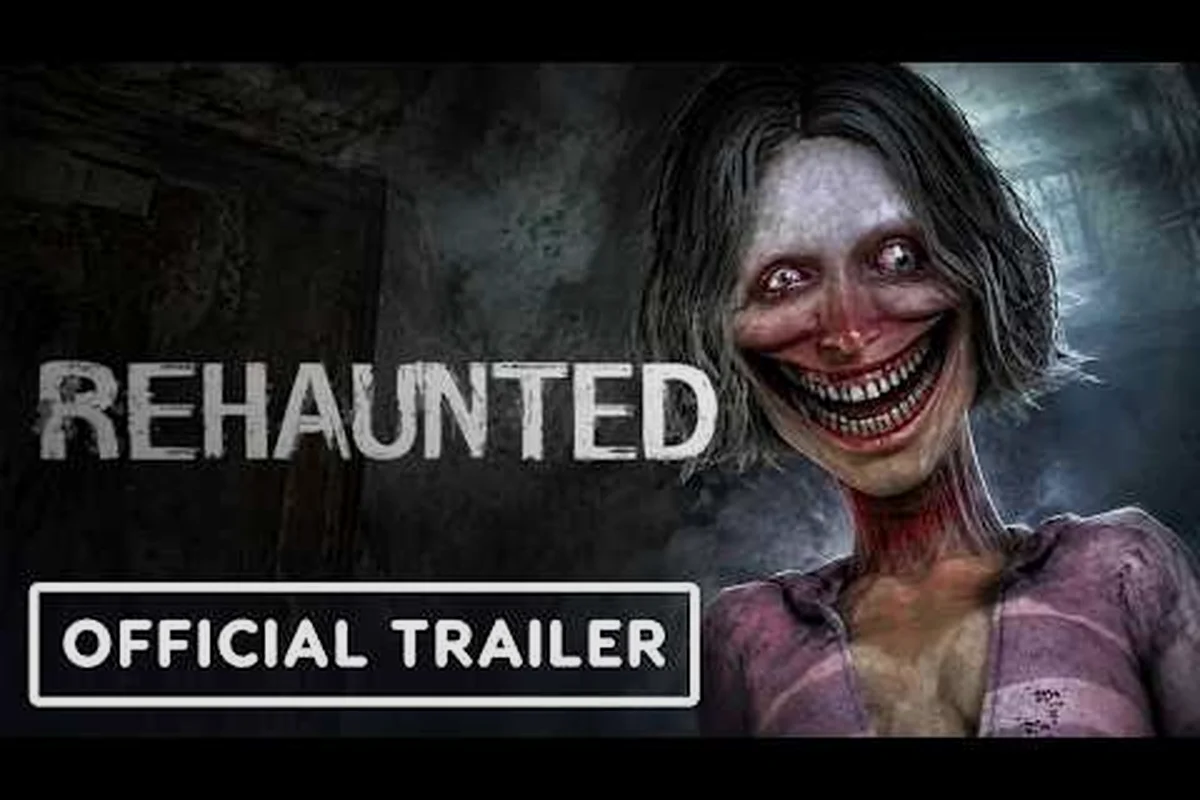
Rehaunted true ending requirements: every clue and choice
Meet every Rehaunted true ending requirements checklist, from must-find evidence to the critical choices that separate the best finale from a missable bad end.
Rehaunted ending flags: every spoiler and post-credits trigger
Map every Rehaunted ending flags trigger, from major spoiler choices and post-credits scenes to New Game Plus ties and the achievements that lock in your finale.
Rehaunted secret ending requirements: hidden choices revealed
Unlock the Rehaunted secret ending requirements with a breakdown of the hidden dialogue choices, rare evidence triggers, and the final decision that activates it.