Tools
How the Rehaunted detective tools work — UV flashlight, camera, magnifier, walkie-talkie and evidence board — and when to switch between them.
Introduction
Five tools carry the whole investigation: the UV flashlight, the camera, the magnifier, the walkie-talkie and the evidence board. None of them is optional and none of them is cosmetic. Each answers a different question about the same object, which is why a room you have already searched can still hold something after you switch tools. This section explains what each tool actually reveals, the situations where switching is mandatory rather than helpful, and the misreadings that make a clue look like nothing. If evidence collection feels unproductive, the problem is almost always tool choice rather than the room itself, so it is worth reworking a space with all three detection tools before deciding it is finished.
Detective Toolkit
| Tool | Answers | Common mistake |
|---|---|---|
| UV flashlight | Where residue and marks are hidden in plain sight | Sweeping from across the room, where nothing resolves |
| Camera | What a finding looked like when you found it | Leaving a discovery unphotographed and unable to compare it later |
| Magnifier | What small text and fine detail actually say | Judging a print or a label by eye and moving on |
| Walkie-talkie | Context, and the choices that reframe the case | Skipping a check-in to keep searching the room |
| Evidence board | Which findings support which conclusion | Treating it as decoration instead of the game's real puzzle interface |
Tool Breakdown
UV flashlight
The tool that changes what a room actually contains.
Camera
Turns a moment of discovery into something you can compare later.
Magnifier
The difference between seeing a mark and actually reading it.
Walkie-talkie
Your link to the second detective, and to the case's framing.
Evidence board
Where findings stop being notes and become an argument.
Core Mechanics
Tools divide into two groups by purpose. The first three are sensing tools: the UV flashlight reveals residue invisible in normal light, the magnifier resolves detail too small for the naked eye, and the camera converts what you have seen into a record you can compare later. The last two are reasoning tools: the walkie-talkie carries your dialogue with the second detective and opens choices that reframe the case, and the evidence board is where findings stop being a list and start being an argument. The loop only works if you move between the groups, because sensing without logging produces observations that the game cannot read.
Advantages
The toolset is small enough to learn completely in the first hour, which is a genuine strength in a two to three hour game. There is no upgrade tree and no inventory management to distract from the investigation, so mastery means understanding five behaviours rather than juggling menus. It also means the game can be fair: when a finding is hidden, it is hidden behind a tool you already have rather than behind progress you have not earned. Players who internalise when to switch tend to describe the investigation as generous, while players who never switch describe it as obscure, and the difference is entirely in how the tools are used.
Challenges
The failure modes are quiet rather than punishing. A UV trace that you sweep too fast simply does not appear, and nothing tells you that you missed it. A fingerprint you look at without the magnifier reads as a smudge. A photograph you never take leaves you unable to compare one finding against another later. The walkie-talkie has the same property from the other direction: skipping a radio check-in feels efficient in the moment, but it narrows the dialogue branches the case is built on. Because none of these mistakes produce an error message, the only reliable defence is a fixed order of operations for every room.
Frequently Asked Questions
When should I use the UV flashlight in Rehaunted?+
What is the evidence board for in Rehaunted?+
Do the detective tools run out or need upgrading in Rehaunted?+
Quick Tips
Switch tools on the same object before deciding it holds nothing. A surface can be clean in normal light, marked under the UV flashlight, and readable only through the magnifier, so one pass with one tool is not a search. Two tools on one object is the minimum, not thoroughness.
Photograph before you leave an area. The camera does not reveal anything on its own, but it is what lets you weigh a finding against something you discover ten minutes later, and unphotographed evidence is hard to compare accurately from memory. Treat the camera as your short-term record of the room.
Update the evidence board as you go rather than at the finale. Board state is what the game consults when deciding which conclusions to offer, so unresolved contradictions sitting on it are effectively a list of rooms that still need work. A tidy board is also the fastest way to see what you are missing.
Featured
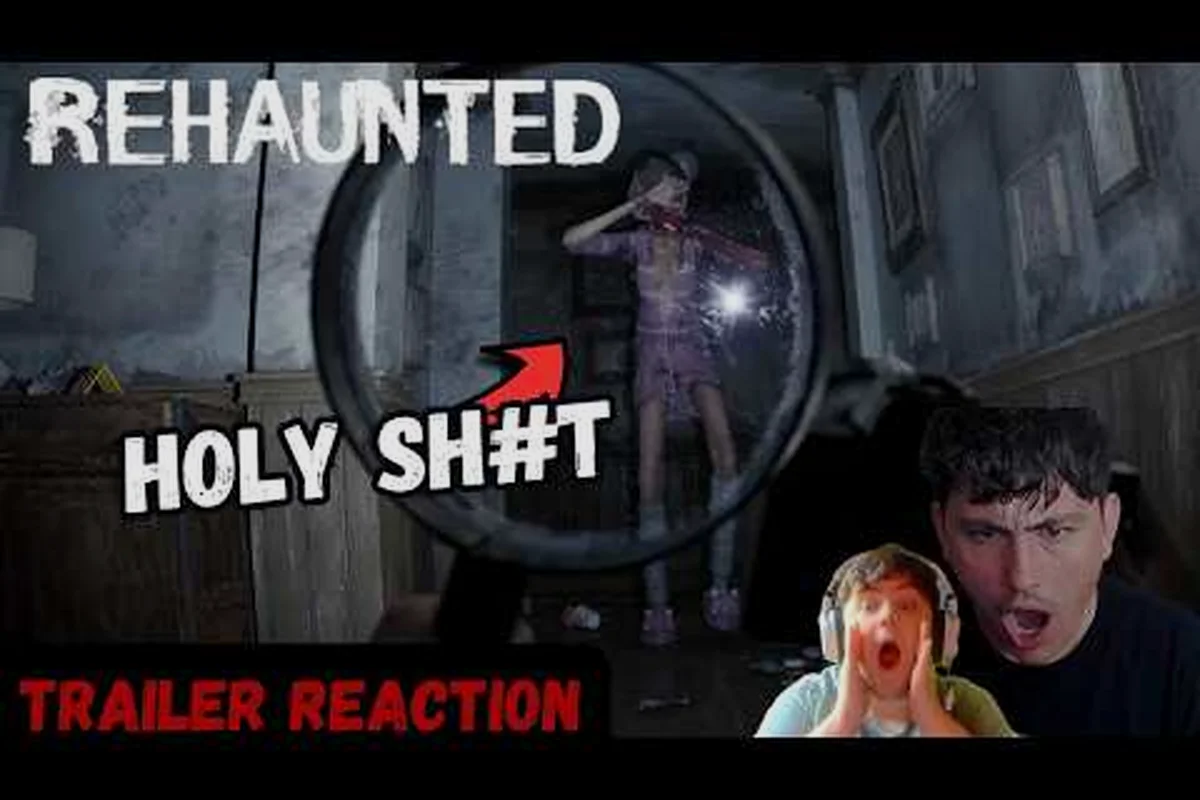
Rehaunted camera: how to snap, zoom, and log evidence cleanly
Get sharp Rehaunted camera shots every time with angle tips, zoom tricks, UV light switching, and quick fixes for blurry photos that fail the evidence log.
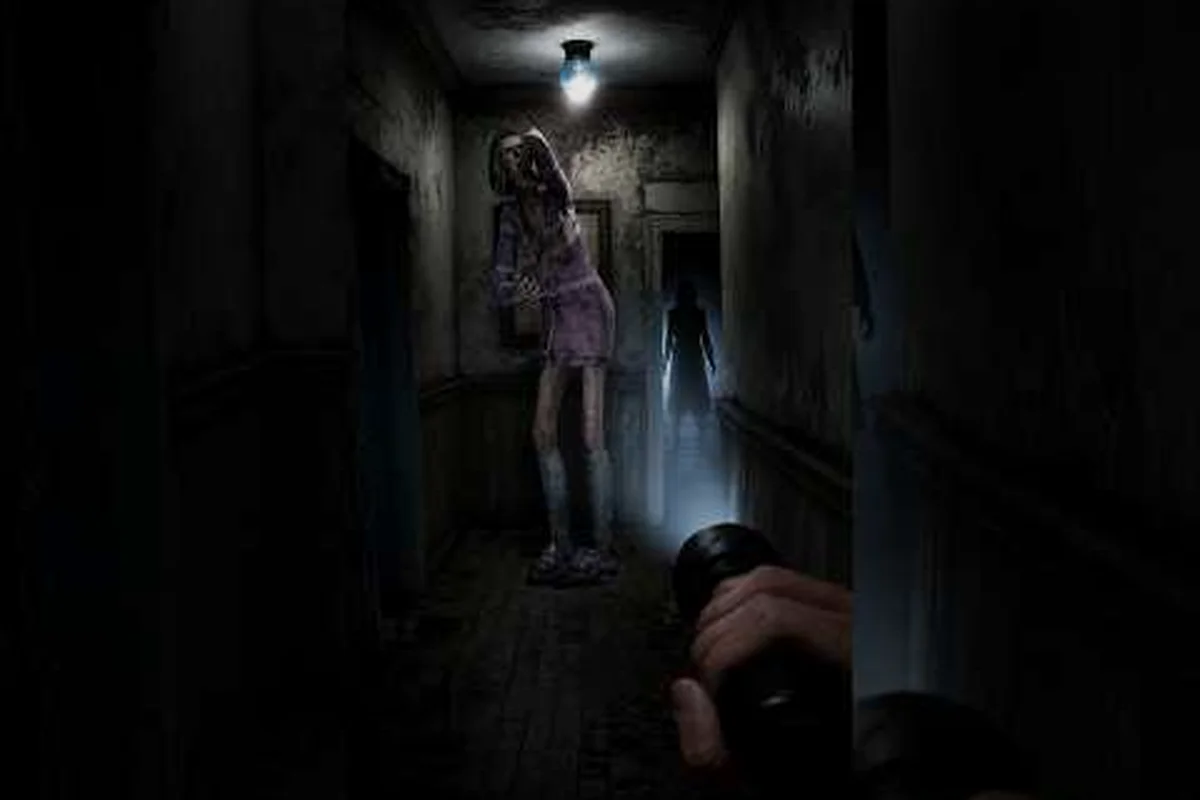
Rehaunted detective equipment guide: every tool explained
Browse the full Rehaunted detective equipment guide covering the flashlight, magnifier, camera, and UV light so every clue gets matched to the right tool.
Rehaunted detective tools: full list and what each does
Browse the complete Rehaunted detective tools list, from flashlight and magnifier to camera, and learn which instrument fits each type of clue.
All Articles
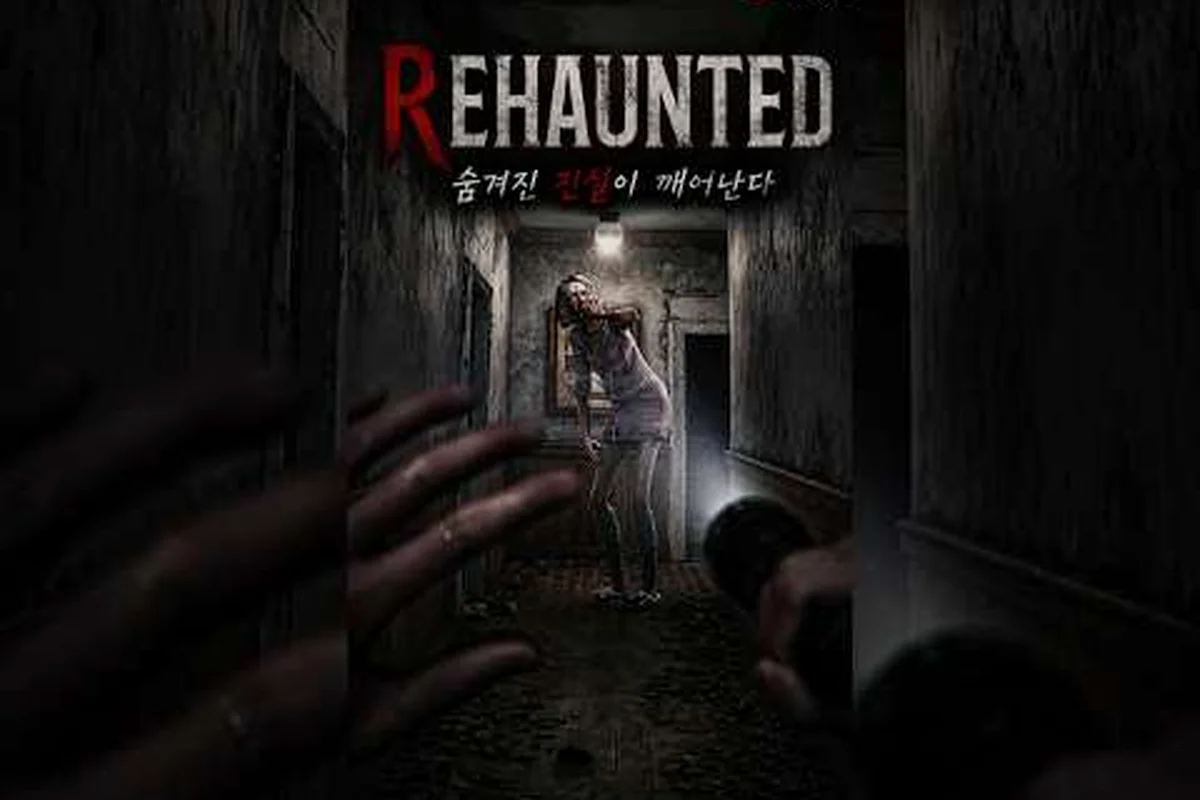
Rehaunted tools not working: flashlight and radio fixes
Fix Rehaunted tools not working with quick checks for the UV flashlight, magnifier, camera, and walkie-talkie when a tool stops responding mid-investigation.
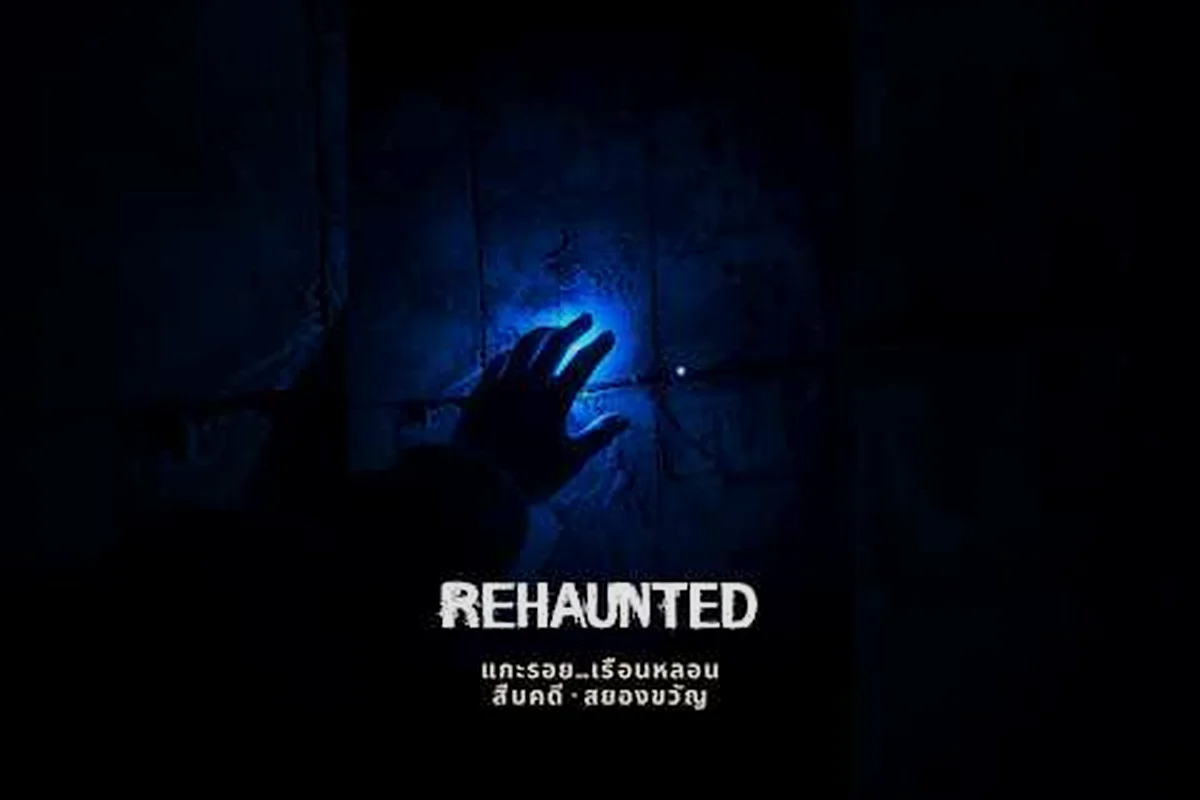
Rehaunted how to talk to the other detective: radio tips
Master Rehaunted how to talk to the other detective with walkie-talkie call triggers, radio timing, and the best dialogue moments to reach your partner.
Rehaunted walkie-talkie: radio, evidence board, and tips
Get the most from the Rehaunted walkie-talkie by learning how to use the radio for dialogue, when to switch to the evidence board, and which calls unlock new leads.
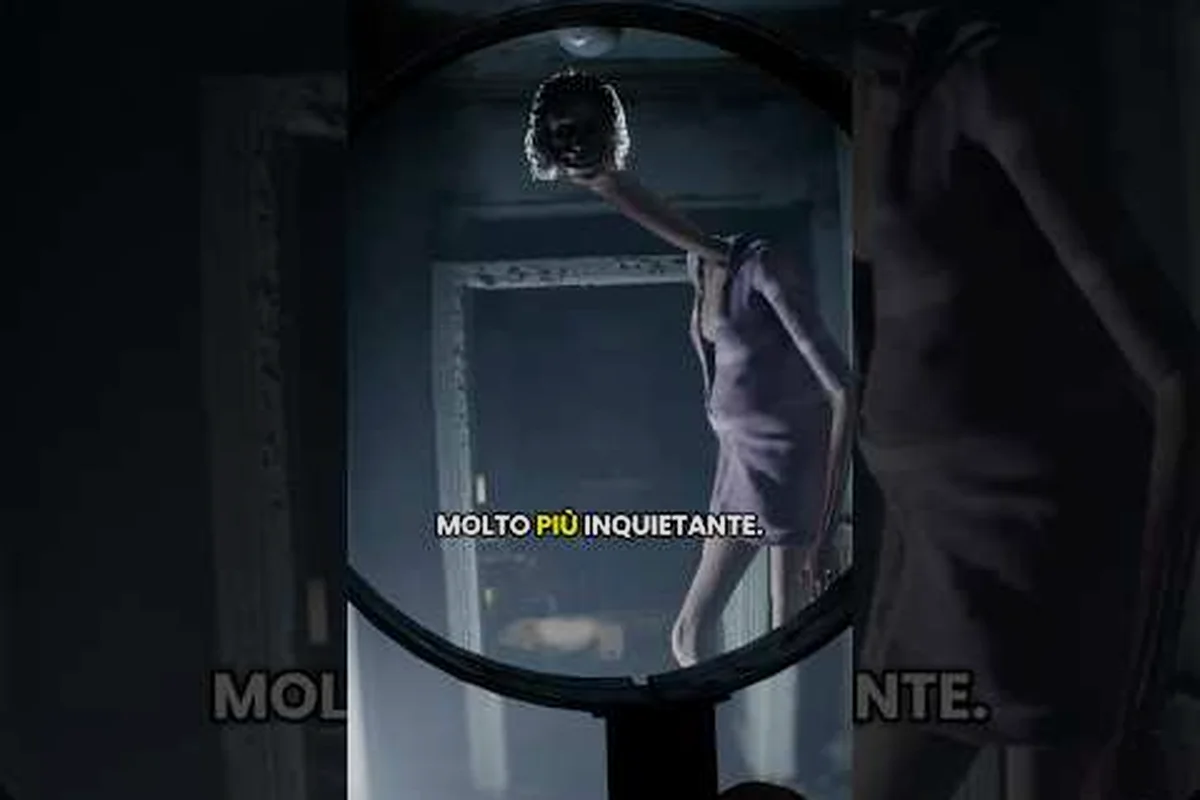
Rehaunted how to photograph evidence: angles and tool wheel
Master Rehaunted how to photograph evidence at the right angle, switch between camera, UV light, and magnifier, and avoid blurry shots that fail the log.