
Evidence
Every Rehaunted evidence type and where to find it, from blood traces and fingerprints to hidden recordings and the clues that contradict each other.
Introduction
Evidence is the real currency of Rehaunted. There is no combat, no levelling and no map completion percentage; what you carry into the finale is the set of findings you actually registered. This section catalogues the families you will encounter — blood traces, fingerprints, hidden recordings, personal belongings, documents and the contradictions between them — and explains where each tends to sit, which tool exposes it, and why some of them are easy to walk past. It also covers the part most guides skip: which findings quietly disagree with each other, because that disagreement is the case rather than a bug in the game.
Evidence Families
| Evidence | Tool | Most often missed because |
|---|---|---|
| Blood traces | UV flashlight | They read as a clean surface unless lit at close range |
| Fingerprints | Magnifier | The mark is visible but the detail is not readable without magnification |
| Hidden recordings | Camera | They sit on objects that do not look interactive |
| Personal belongings | Magnifier and camera | They look like set dressing until something contradicts them |
| Documents and notes | Magnifier | Small print is skipped once a page looks decorative |
Evidence Overview
Blood traces
The evidence family that hides in plain sight on ordinary surfaces.
Fingerprints
Proof of presence, and often proof of the wrong presence entirely.
Hidden recordings
The audio layer that players most often leave behind unlogged.
Personal belongings
Evidence of the person, not only of the crime committed against them.
Documents & notes
Written evidence that rarely matches the physical record around it.
Contradictions
Two findings that cannot both be true at the same time.
Core Mechanics
Finding evidence is a three-step loop. First, the object has to be exposed: some traces are invisible until the UV flashlight sweeps them, and fine print stays unreadable without the magnifier. Second, the finding has to be registered: photographing it with the camera is what turns an observation into something you can compare later. Third, it has to be logged to the evidence board, because board state is what the game consults when it decides which conclusions are available to you. Skipping the second or third step is the most common way to do the work and still arrive at the reconstruction with an incomplete file. Sweep, photograph, log, then move on.
Advantages
The evidence layer is the most rewarding part of Rehaunted because it is the part that respects attention. Nothing here is hidden behind difficulty or reflexes; findings are placed to be discoverable by a careful player, and the tools are designed so that each one answers a specific kind of question. That makes a complete case file achievable in a single short run, which is unusual for an investigation game. It also makes the payoff legible: when a fingerprint on a personal object cannot be reconciled with a recording, you feel the contradiction as a story beat rather than as a puzzle you failed to solve.
Challenges
The challenge is that the game never tells you what you have missed. There is no completion counter and no audible cue when a room still holds something, so an incomplete sweep looks identical to a finished one until the finale. The UV-only traces are the sharpest example: if you sweep a surface from across the room instead of at close range, it simply reads as clean. Recordings are a second blind spot, because they sit on objects that do not look interactive. And because the story can advance before you are finished, the cost of a missed finding is not a retry but a permanently narrowed set of conclusions.
Frequently Asked Questions
How do I find hidden evidence in Rehaunted?+
What is the difference between evidence and clues in Rehaunted?+
Does missing evidence change the ending in Rehaunted?+
Quick Tips
Photograph and log a finding the moment you expose it. Seeing a trace and registering it are separate actions in Rehaunted, and only what reaches the evidence board counts when the game decides which conclusions to offer you at the finale. An exposed but unlogged clue behaves exactly like one you never found.
Sweep with the UV flashlight close to the surface instead of scanning from the doorway. Traces only resolve at short range, which is exactly why so many players finish a room believing a wall was clean when it was not. Slow, close passes are the whole technique. Distance is the enemy of this particular tool.
Treat every contradiction as content rather than as a mistake. When a print, a recording and a written note cannot all be true, the game is doing what it was designed to do, and that conflict is what your final reconstruction is built from. Log both sides of it before you decide which reading to keep.
Featured
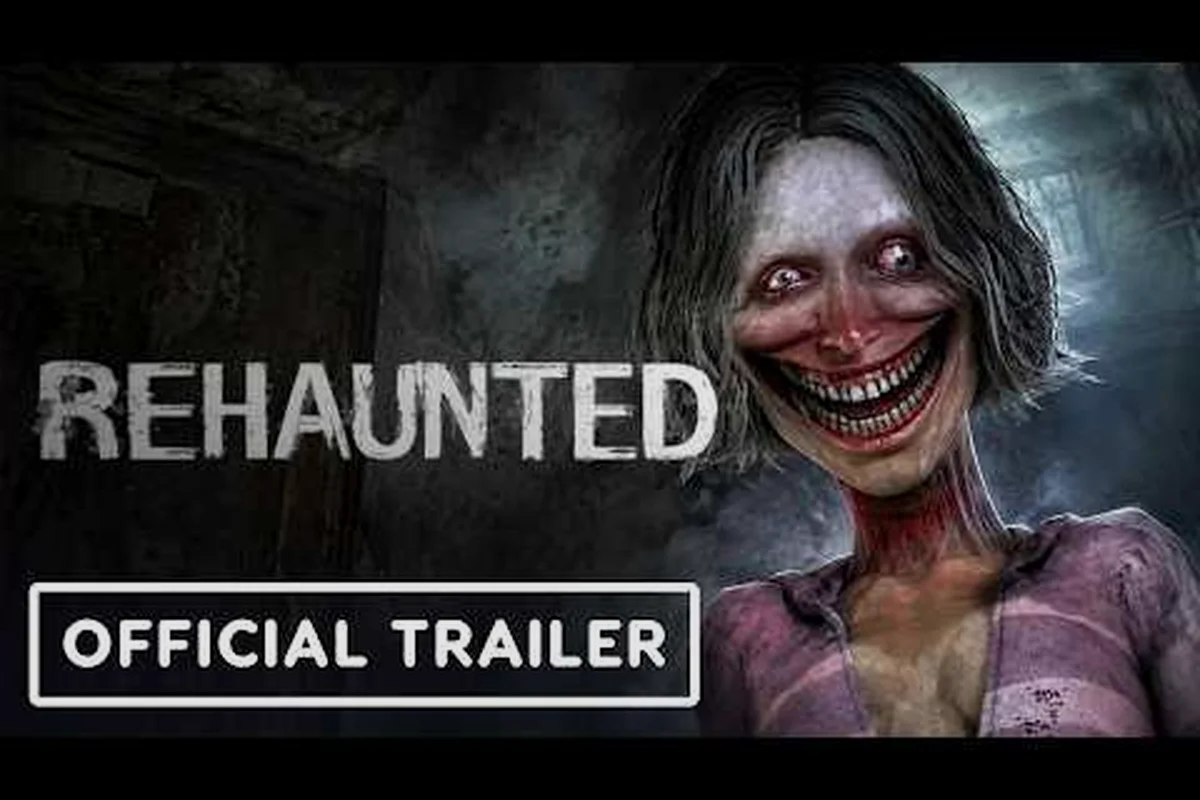
Rehaunted all evidence: every clue location in the house
Pin down every piece of the case with this Rehaunted all evidence guide, mapping each clue location room by room so nothing slips past your investigation.
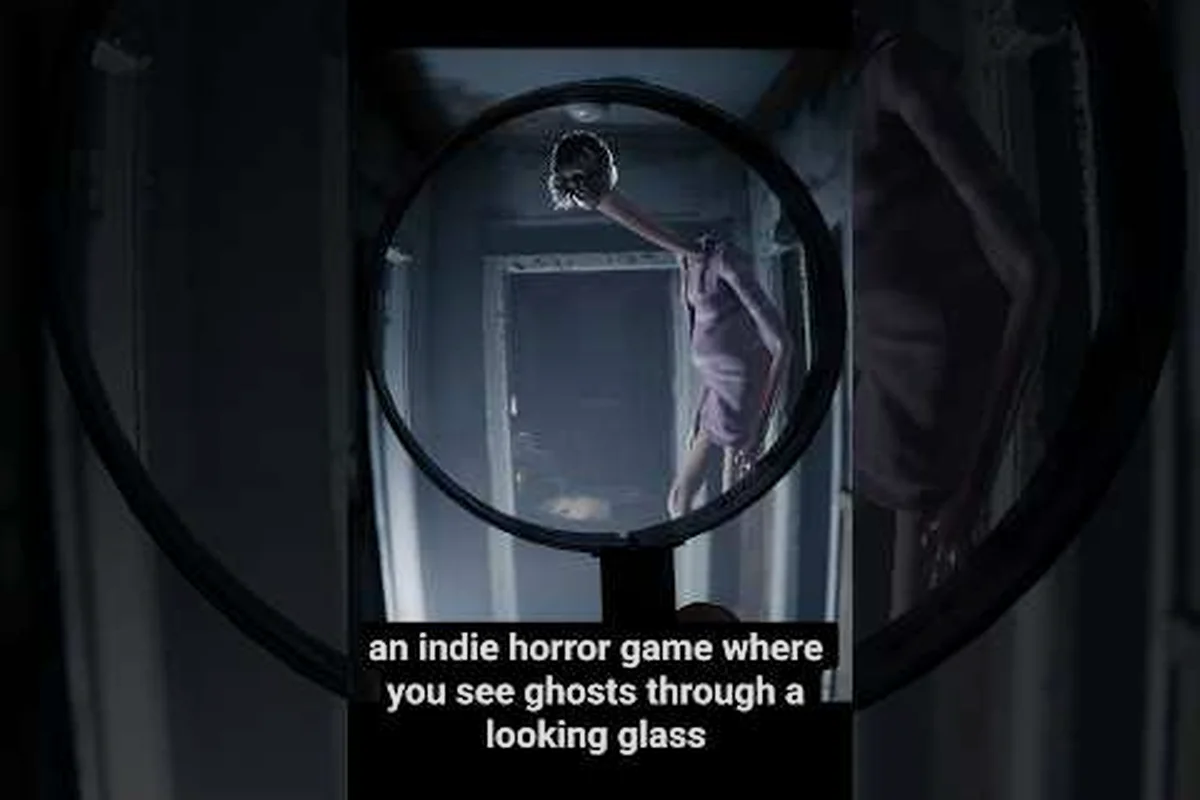
Rehaunted clue checklist: fingerprints, notes, and UV
Work through a full Rehaunted clue checklist covering fingerprints, UV evidence, and collectibles, so you know what actually matters for closing the case.
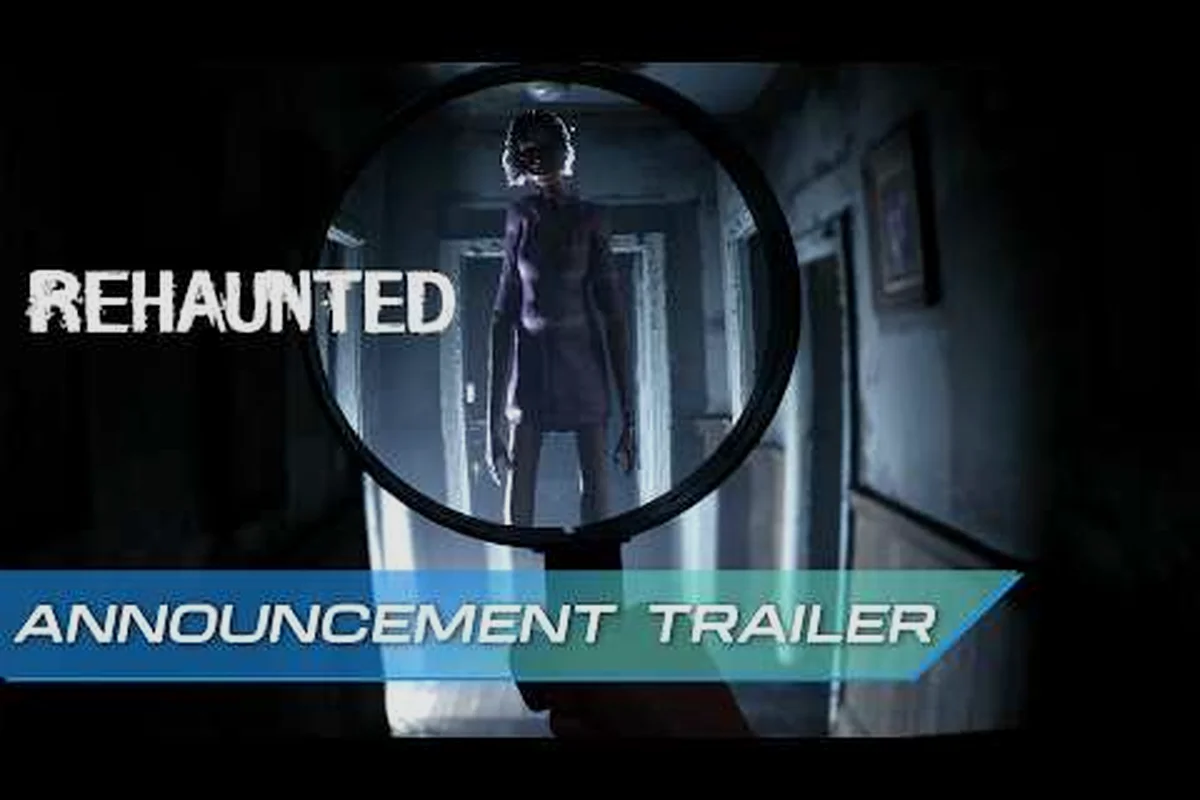
Rehaunted crime scene investigation: tools, UV, and case flow
Run a clean Rehaunted crime scene investigation by matching tools to evidence, catching UV hidden clues, and logging every note before leaving the room.
All Articles
Rehaunted hidden room: how to search and catch missed clues
Find the Rehaunted hidden room with a proper room-by-room search method and a checklist of evidence you can easily overlook without UV or magnifier checks.
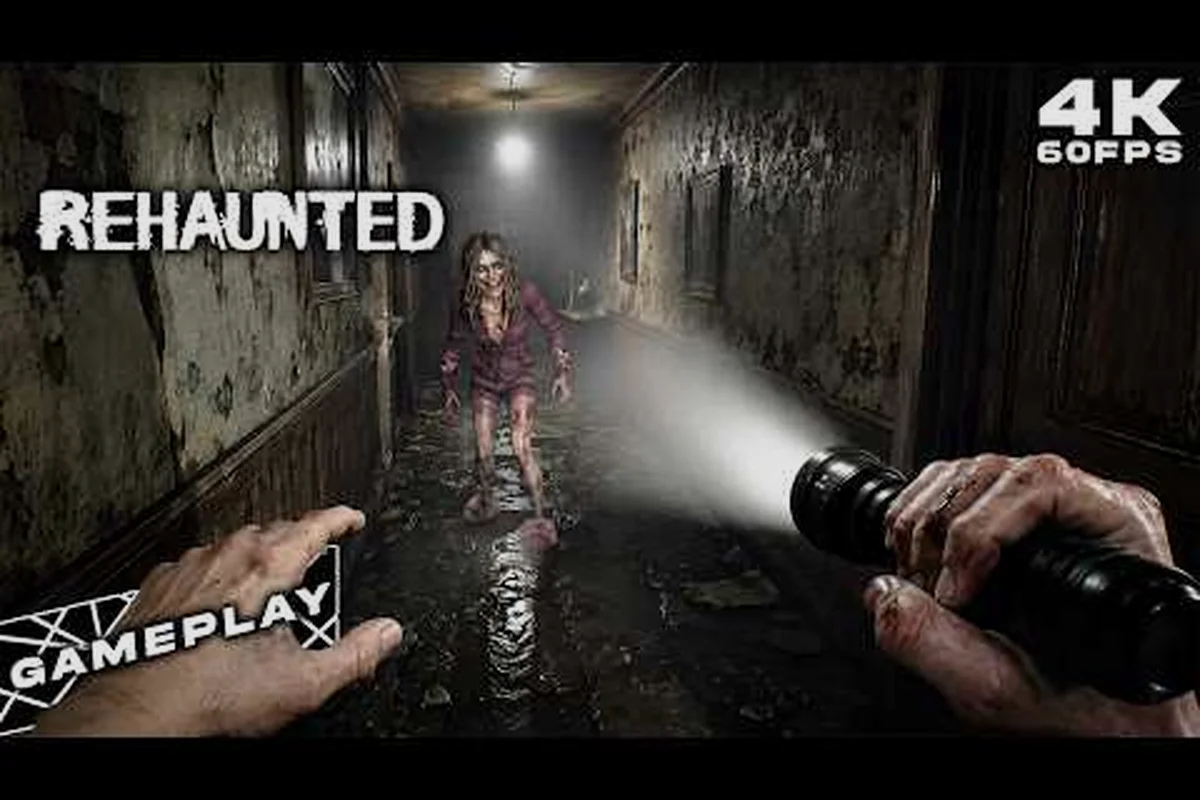
Rehaunted all documents: notes, case files, and key locations
Track every document page in Rehaunted — diary entries, case files, and the key spots that open locked doors and the secret room.
Rehaunted missable clues: conflicting evidence and boards
Avoid losing the case to skipped leads with this Rehaunted missable clues guide, tracking contradictory evidence and how to connect each clue on the board.
Rehaunted personal belongings: every victim item
Catalog every item the victims left behind with this Rehaunted personal belongings guide, listing hidden and secret collectibles so you don't miss a single one.
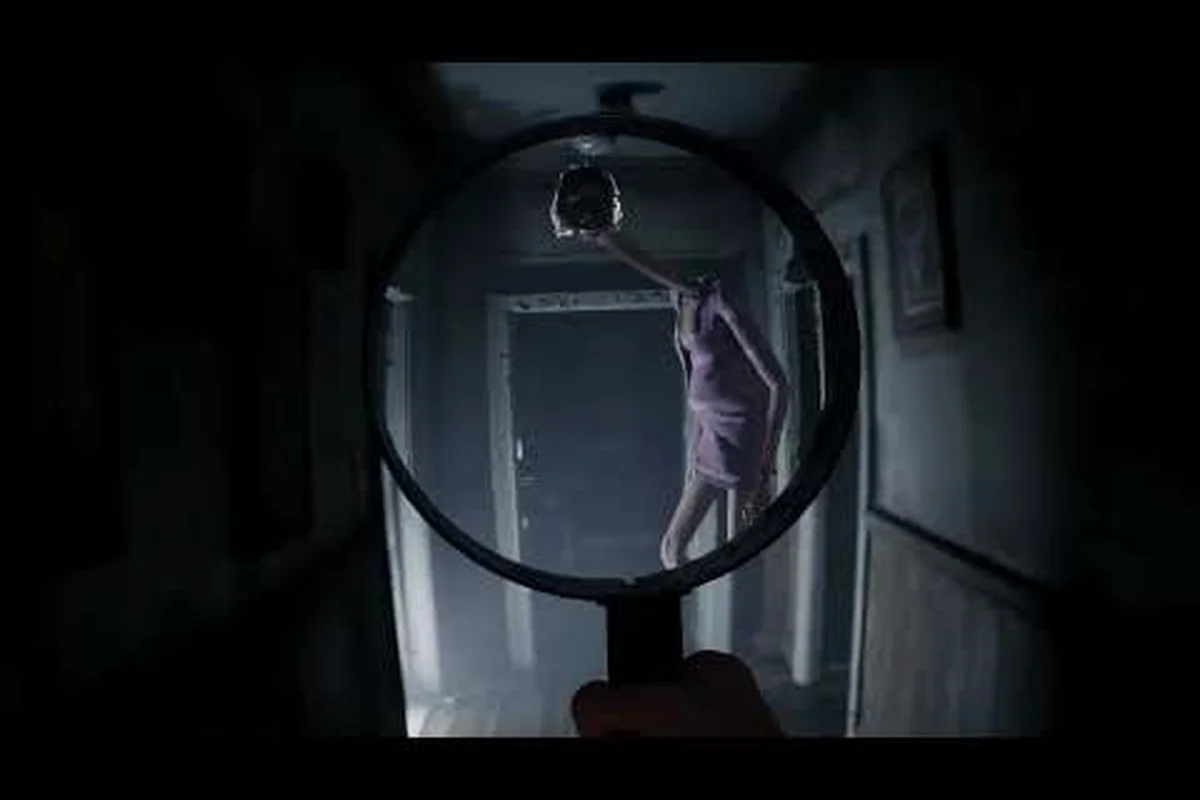
Rehaunted hidden clues: blood, fingerprints, and recordings
Track down every Rehaunted hidden clue, from blood traces and fingerprints to audio recordings, with room-by-room tips for each piece of evidence.