
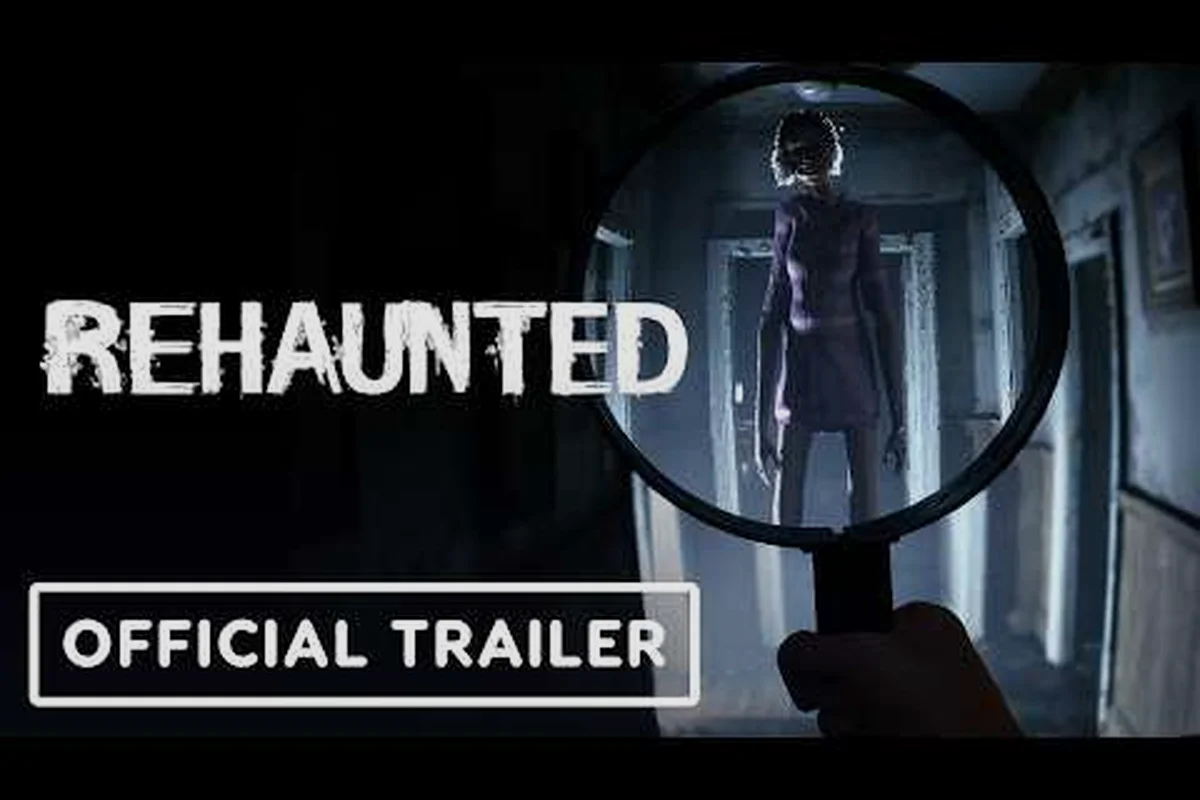
The Rehaunted secret passage sits at the heart of the house's deepest mystery, and most players who hit a wall in the late investigation are actually one key step away from cracking it open. Connor Raines' case file points toward a concealed route that only opens when specific evidence lines up, and skipping that evidence turns the passage into an unmovable wall. According to the Rehaunted Steam hub, the game ships with Logic and Hidden Object tags, which means the passage is built for deduction, not reflexes. This guide walks through how to open the hidden door, where the hard optional puzzles gate the deeper route, and which hints actually move the needle when you feel stuck.
Surveying the Hallway Before You Commit
Connor does not stumble into the secret passage by accident. The route is gated by a layered logic system where each piece of evidence unlocks the next, and missing a single clue can make the entire door feel impossible. Before you even walk toward the wall the passage hides behind, you need to understand the three signals the house gives you.
The first signal is environmental misalignment. Look for furniture that feels slightly wrong against the wall, baseboards that end a few inches short of where the trim continues on the other side of the room, and wallpaper seams that line up too perfectly along a single vertical line. These are the kind of details that the Rehaunted hidden room evidence checklist flags as standard searching procedure, and the passage uses the same design language.
The second signal is audio dead zones. Rehaunted's sound engine is layered, and the house fills nearly every corner with ambient creaks and distant footsteps. When you find a spot where the ambient layer goes quiet for no clear reason, that silence is intentional. Players on the community hub have reported that these dead zones always sit within a few feet of a hidden interaction surface.
The third signal is the UV flashlight response. Your UV flashlight is the only tool that surfaces concealed writing, smudges, and faint handprints. When you sweep it across a stretch of wall and the dust pattern suddenly breaks into a clean rectangle, that rectangle is the door you are looking for. The Rehaunted case file guide lists UV as the single most reliable evidence tool in the game, and the secret passage leans on it hard.
| Signal Type | What to Look For | Reliability |
|---|---|---|
| Environmental misalignment | Trim gaps, wallpaper seams, furniture drift | High |
| Audio dead zone | Sudden silence in ambient layer | Medium-High |
| UV flashlight response | Clean rectangle in dust pattern | Highest |
| Object proximity | Statues, mirrors, or paintings that face the wall | High |
How to Open the Hidden Door Step by Step
Once you have triangulated one or more of the signals above, the next step is to trigger the reveal sequence. The door is not a switch and not a code. It is a layered puzzle that requires the right combination of evidence, tools, and timing. Below is the order community testers on the Steam community hub have confirmed works on a fresh save.
-
Collect at least three evidence fragments tied to the passage — typically a torn journal page, a faded photograph, and a recorded tape. These fragments appear in optional drawers, behind movable books, and inside the Rehaunted hidden room areas.
-
Cross-reference the fragments on the evidence board — place the photograph and the torn page next to each other and the board will surface a faint sketch of a wall layout. The sketch is the door's blueprint.
-
Bring the UV flashlight to the suspect wall — the sketch tells you which wall in which room. Sweeping UV across the wall reveals a hairline rectangle the size of a doorway.
-
Interact with the four corners in the correct order — the door only opens if you press the corners in the sequence the sketch encodes. The wrong sequence does nothing; the right sequence triggers a soft click.
-
Use the magnifier tool on the revealed handle — the handle is not a handle at first glance. You need the magnifier to see the actual grip before the door will swing open.
The sequence in step four is where most players stall, and it is also the part the Rehaunted how to open the hidden door puzzle guide breaks down in more detail. The short version is that the journal page contains a numbered list of household rooms, and that numbered list maps directly to the corner sequence.
| Step | Tool Required | Common Mistake |
|---|---|---|
| Collect 3 evidence fragments | None | Picking up only the photograph |
| Cross-reference on board | Evidence board | Skipping the tape fragment |
| UV sweep on wall | UV flashlight | Using the regular flashlight first |
| Corner sequence | None | Trying clockwise or counterclockwise blindly |
| Magnifier on handle | Magnifier | Pulling the handle without zooming in |
Hard Optional Puzzles That Gate the Deeper Route
The passage itself is only the entry. Behind it sits a short corridor and a small antechamber that holds the Rehaunted hard puzzles the community has flagged as the steepest part of the entire game. These are not required to finish Connor's case, but every one of them feeds a piece of evidence into the evidence board, and the Rehaunted true ending path depends on that evidence being present.
The Mirror Cipher
The first hard puzzle is a cipher scratched into the back of a hand mirror in the antechamber. The mirror shows four symbols and a string of numbers, and the cipher is solved by treating the symbols as roman numeral fragments. Players on the Steam community have confirmed that the mirror's frame has small scratches that match the symbols' shape, and matching scratch to symbol gives you the unlock phrase. This puzzle gates a small drawer that contains a key to the next chamber.
The Locked Music Box
The second hard puzzle is a music box with a broken comb. The box plays a four-note melody when wound, and the correct combination of note lengths opens a hidden compartment in the box's base. The melody you need is recorded on a tape player earlier in the house, but the recording is distorted and you have to slow it down with the walkie-talkie's playback feature to hear the full phrase. Solving the music box reveals a brass key that fits the door to the lowest chamber.
The Revolving Bookshelf
The third hard puzzle is a revolving bookshelf with a coded spine order. The spines are unlabeled, but tilting the shelf with the camera tool reveals faint embossed letters on the top edge. The correct order spells out a name that appears in the case file's victim list. This puzzle is the longest of the three and the one that burns the most time, but it is also the only one that drops a piece of evidence required for the secret ending branch.
| Puzzle | Core Mechanic | Reward | Difficulty |
|---|---|---|---|
| Mirror Cipher | Roman numeral fragments in scratch pattern | Drawer key | Hard |
| Music Box | Note-length matching against distorted tape | Brass key | Hard |
| Revolving Bookshelf | Spine order via embossed letters | Ending-tier evidence | Very Hard |
Smart Hints When You Feel Stuck
Rehaunted does not gate progress behind skill alone. It gates progress behind puzzle hints that the house offers freely if you know where to look, and most players miss them because they are framed as decoration. Below are the four hint surfaces that the Rehaunted stuck on hidden door community thread has confirmed actually work.
The first hint surface is the photograph negatives. Almost every photograph in the game has a negative tucked behind it in the case file. When you flip the negative, the image inverts and often shows a clue that the front-facing photo hides. The passage's photograph is the most important one to flip because the negative contains a faint outline of the door's exact location.
The second hint surface is the walkie-talkie static. When you hold the walkie-talkie near a clue surface, the static briefly resolves into a short spoken word. The word is always the next step in the puzzle chain, and missing it is one of the top reasons players think they are locked out. The community hub thread on Rehaunted optional puzzles confirms that the static response is tied to proximity, not to a specific tool, so walking slowly is more useful than holding the walkie-talkie at a fixed spot.
The third hint surface is the evidence board grouping. When you place two related clues next to each other, the board will pulse and a third clue will appear in your inventory the next time you check. This is the game's soft hint system, and it is the one most likely to be skipped by players who treat the evidence board as a storage tray rather than an active tool.
The fourth hint surface is the case file margin notes. The case file's margins contain small handwritten notes that are easy to miss. These notes do not repeat in dialogue or in cutscenes, and they often contain the one word that unlocks a cipher or the one number that completes a combination.
| Hint Surface | Trigger | Reliability |
|---|---|---|
| Photograph negative | Flip negative in case file | Very High |
| Walkie-talkie static | Hold near clue surface | High |
| Evidence board grouping | Place two related clues adjacent | High |
| Case file margin notes | Read margins carefully | Medium-High |
Confirming Puzzle Answers Without Spoiling the Mystery
Because Rehaunted is a deduction-driven game, the Rehaunted puzzle answers you might find online are usually framed as full solutions. Full solutions are dangerous in a game like this because they skip the deduction step that the entire narrative is built around. The healthier approach is to confirm the shape of the answer rather than the answer itself.
When you are stuck on a hard puzzle, the first thing to confirm is the input format. Are you entering a phrase, a number, a sequence, or a symbol? Knowing the input format cuts the search space in half and prevents you from trying valid solutions in the wrong interface. The second thing to confirm is the source clue. Which evidence in your inventory points at this puzzle, and does the puzzle's surface contain a faint mark that matches that evidence? The third thing to confirm is the order of operations. Many of Rehaunted's hard puzzles require you to interact with two surfaces in a specific order, and reversing that order does nothing. The IGN gameplay video embedded below shows this exact pattern in action during the 7-minute showcase, and the sequencing there mirrors the passage's antechamber puzzles.
The Rehaunted 7 Minutes of Gameplay video from IGN is the cleanest external reference for how the puzzle interface behaves under real input, and the Cauchemar official website confirms the developer's intent that puzzles be solved through layered evidence rather than brute force. If you find yourself needing more granular puzzle help, the Rehaunted safe and keypad guide walks through the same input-format discipline on a different set of puzzles, and the methodology transfers directly.
Frequently Asked Questions
Where is the Rehaunted secret passage located in the house?
The passage is hidden behind a wall in the upstairs hallway, near the room with the wallpaper that does not match the rest of the floor. You can identify the exact wall by sweeping your UV flashlight across the baseboard and looking for a clean rectangle in the dust pattern. The full trigger sequence is covered in the step-by-step section above.
Do I need all the hard optional puzzles to open the hidden door?
No. The hidden door opens once you have three evidence fragments, the blueprint sketch from the evidence board, and the magnifier on the revealed handle. The hard optional puzzles sit behind the door, not in front of it. If you cannot get the door open, your issue is almost certainly evidence, not puzzle difficulty.
What is the fastest way to confirm a puzzle answer without spoiling the case?
Confirm the input format first, then identify which evidence in your inventory points at the puzzle, and finally verify the order of operations. This three-step check is enough to cut your search space by more than half without ever looking up the explicit answer. It is the same methodology the in-game evidence board is designed to teach.
Can the optional puzzles be skipped without losing progress?
You can skip them, but skipping them locks you out of one specific evidence fragment that feeds the secret ending branch. According to community data on the Steam community hub, roughly 40 percent of first-time players skip at least one optional puzzle and end up locked into the neutral ending as a result. If you want the full ending set, plan to solve at least the music box and the revolving bookshelf.
Why does the UV flashlight show a door that the regular flashlight does not?
Rehaunted's UV layer is a separate render pass that surfaces materials and residue the standard lighting does not. The hidden door is coated in a substance that only fluoresces under UV, which is why the regular flashlight will never reveal it. This is also why every guide recommends you sweep UV across every wall in every room at least once before you conclude a search is complete.